Anti-Money Laundering Crimes Legislations

Countries Around the World Have Adopted…
Sustainable Development Goals (SDGs)
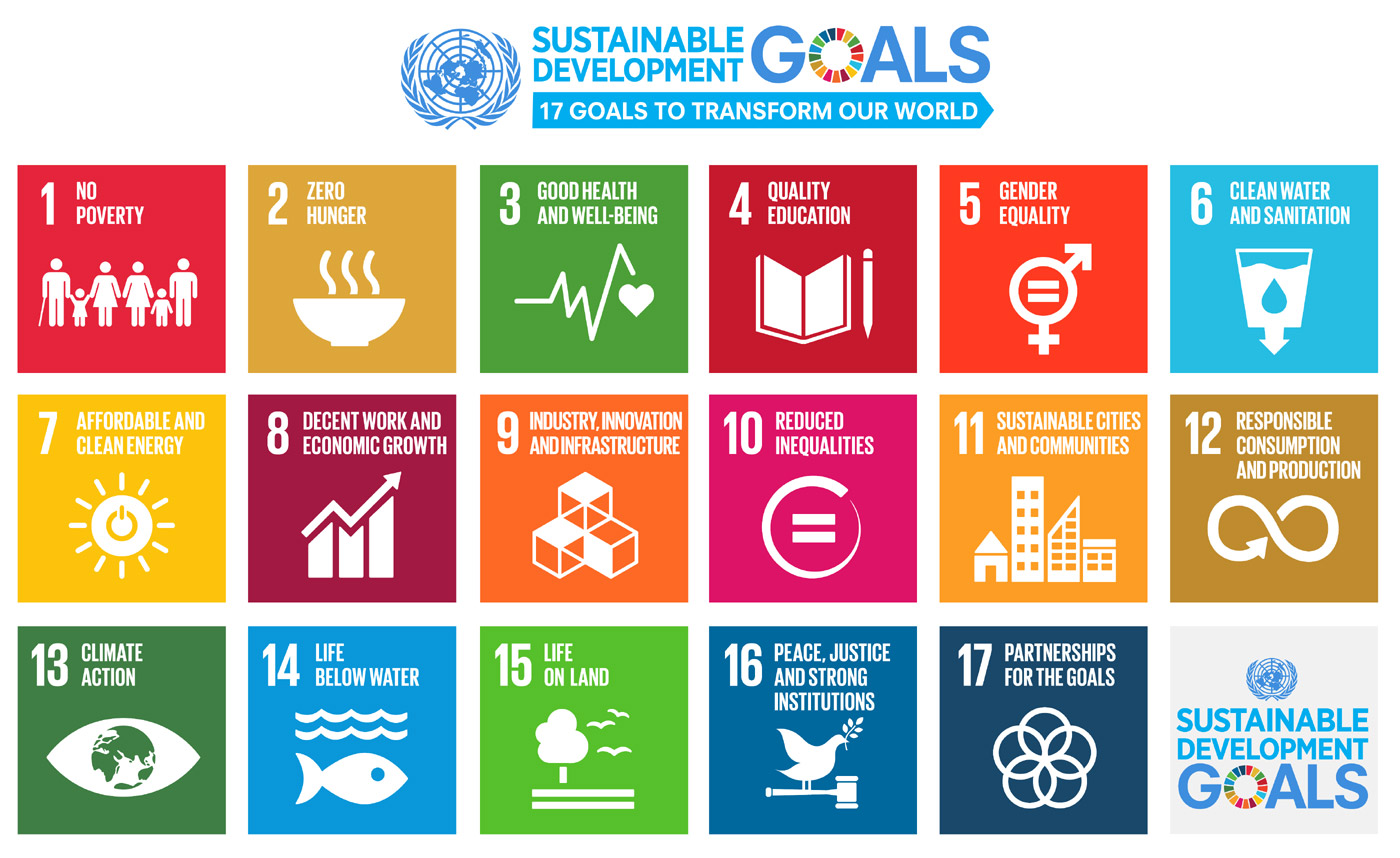
The United Nations General Assembly adopted the sustainable development goals agenda in 2015, to be achieved by the year 2030. It constitutes a roadmap for achieving a better and more sustainable future, with the goals comprising 17 interconnected SDGs representing an integral part of a UN resolution entitled the “International Agenda 2030”. The 17 Sustainable Development Goals include four major themes -- environmental, social, economic and partnerships. The unique facet of this agenda is that it is the very first agreement of 193 member countries of the UN, together with hundreds of thousands of stakeholders to achieve one long-term vision for the future.
The SDGs serve as an extensive road map and a large-scale agenda requiring close collaboration of the public and private sectors, including the entire community to develop and implement strategies that enhance the quality of life in a sustainable approach. It also provides specific targets and indicators for all member states to incorporate in their national action plans while giving emphasis on the environmental challenges that the world is experiencing.
The UAE has made these goals a fundamental part of its vision and future ambitions, making them an essential element of its 2030 agenda. The country has committed itself to “not leaving anyone behind.” The sustainable development goals have been incorporated in the development strategies of the UAE. The National Committee on SDGs was established in 2017, with the Ministry of Cabinet Affairs and the Future, the Ministry of Foreign Affairs and International Cooperation, and 15 government entities at the federal level as its members. They share responsibility for implementing the sustainable development goals at the national level, monitoring progress on the goals, engaging relevant stakeholders, and submitting periodic reports on the country’s achievements, in addition to building a comprehensive action plan and ensuring that these goals are aligned with the UAE’s national development priorities and the UAE Vision 2021.
Learn About
The Role of the Ministry of Economy in Achieving the UAE’s Strategic Development Goals
In the face of challenges that the world encounters, such as the COVID-19 pandemic, global economic recession, and climate change, the Ministry of Economy recognises the need to achieve sustainable development and develop integrated measures to fulfil economic, social and environmental objectives. The Ministry has focused its efforts to effectively implement its sustainable development strategies, leveraging all possible mechanisms to make sure that its policies and initiatives are aligned with the UAE’s vision to achieve SDGs. The roles of the Ministry of Economy in this context are based on formulating visions and operational plans, and launching programmes, activities and initiatives that support the process of implementing the sustainable development goals and take them forward. The Ministry of Economy constantly highlights the significance of building a fruitful partnership with the private sector in shaping the future of the national economy and maximising its role in the development process. MoE is keen on establishing cooperation with relevant authorities to establish sustainable development partnership between the public and private sectors.