Ministry of Economy and Tourism organises 3 workshops to strengthen legislative compliance for DNFBPs and raise awareness of financial crime risks

Ministry of Economy and Tourism organises 3 workshops to strengthen legislative compliance for DNFBPs and raise awareness of financial crime risks
Ministry of Economy and Tourism organises 3 workshops to strengthen legislative compliance for DNFBPs and raise awareness of financial crime risks
H.E. Safia Al Safi: These workshops reflect the ministry and the national authorities’commitment to developing an effective regulatory environment aligned with international best practices and standards.
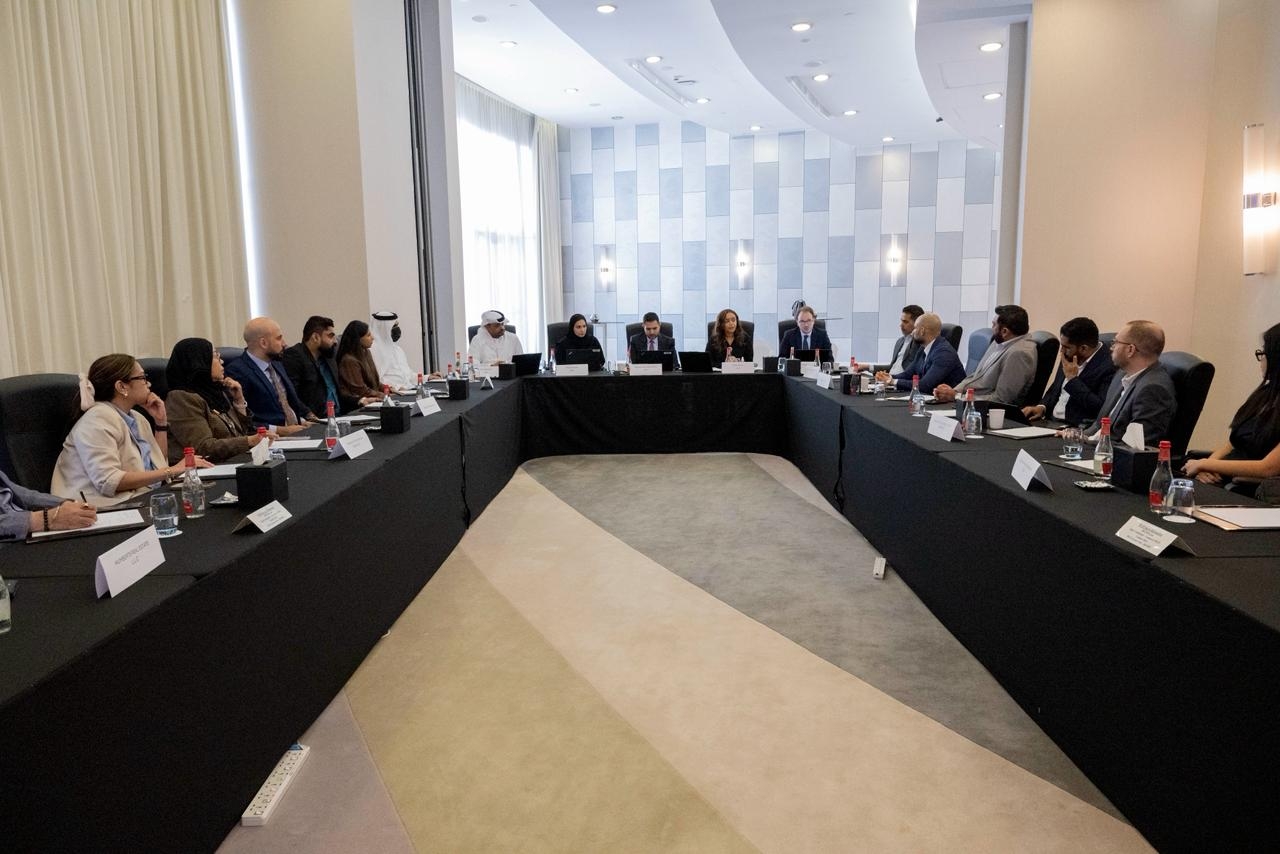
The Ministry of Economy and Tourism organised three specialised workshops aimed at strengthening the legislative compliance ecosystem for Designated Non‑Financial Businesses and Professions (DNFBPs), while enhancing awareness of financial crime risks and prevention measures in alignment with approved legal and regulatory frameworks. The sessions brought together representatives from relevant private‑sector entities.
The workshops highlighted key legislative and regulatory updates and substantive differences introduced under Federal Decree-Law No. (10) of 2025 Regarding Anti-Money Laundering, and Combating the Financing of Terrorism and Proliferation Financing, as well as its executive regulations and related decisions, compared to previous legislation. Discussions explored how these updates enhance the efficiency of the national legislative compliance ecosystem in accordance with best practices, particularly through strengthened beneficial ownership requirements and tighter oversight and governance of virtual assets. These updates support the effectiveness of the national monitoring and financial analysis system and reinforce the UAE’s economic reputation.
H.E. Safia Hashim Al Safi, Assistant Undersecretary for Commercial Control and Governance at the Ministry of Economy & Tourism, affirmed that the workshops reflect the Ministry’s and national authorities’ commitment to building a robust control and compliance environment in line with best practices and international standards, especially those related to anti‑money laundering (AML), combating the financing of terrorism (CFT), and counter proliferation financing (CPF), in accordance with the Financial Action Task Force (FATF) recommendations. H.E. noted that these workshops also play a vital role in raising awareness among DNFBP sectors, including real estate brokers and agents, dealers in precious metals and stones, independent accountants, auditors, and corporate service providers.
H.E. added: “The AML/CFT legislative advancements introduced in recent years demonstrate the UAE’s strategic vision to establish an advanced, efficient, and resilient compliance framework. These efforts strengthen the country’s readiness to combat financial crimes while enhancing the competitiveness of its economic environment.”
Counselor Salem Ahmed Al Tunaiji, Director of the AML/CFT Department at the Ministry of Economy and Tourism, said: “The Ministry has developed an advanced technological system for assessing and classifying risks across DNFBP sectors. This system has helped unify all procedures and requirements related to the national risk assessment file for AML/CFT/CPF, particularly those related to beneficial ownership regulations.”
He further explained that the substantive amendments to the AML/CFT/CPF law and related decisions have introduced stricter administrative penalties for violations, strengthening compliance and supporting the effective implementation of legislation while reducing non‑compliance.
In detail, the workshops covered both regulatory and practical aspects of the UAE’s AML/CFT/CPF framework. Topics included internal control mechanisms, requirements for reporting suspicious transactions and activities, and measures to strengthen institutional compliance. Sessions also examined the impact of recent legislative updates on the business environment and the role of modern technologies in enhancing compliance systems, improving oversight, and enabling early detection of risks.
In addition, the workshops reviewed the legal framework governing AML/CFT violations, outlining administrative measures and penalties that may result from non‑compliance. The discussions clarified how these provisions contribute to raising overall compliance levels and reducing violations and ensuring effective adherence to the approved legislative and regulatory controls. The sessions also highlighted the minimum and maximum thresholds of fines and administrative sanctions applied to violators.
In terms of outcome, the workshops significantly enhanced the understanding of participants about the latest legislative developments and their differences from the previous framework across DNFBP activities, while also raising awareness of compliance requirements and practical implementation mechanisms.
The sessions helped private sector entities strengthen their capabilities in assessing and managing financial risks, enhance the efficiency of monitoring and reporting systems, and gain greater clarity on the scope of administrative penalties and sanctions in a manner that promotes compliance and reduces violations. Additionally, the workshops supported the advancement of digital transformation within compliance systems and reinforced coordination between national regulatory authorities and the private sector. Collectively, these efforts contribute to a more attractive, stable, and investment‑friendly business environment that enhances transparency and financial stability in the UAE.


Ministry of Economy's Unified Number
800 1222

Contact via WhatsApp
+971 800 1222Screen resolution should be 1280x1024 for best browsing experience. Browser Compatibility: IE 11.0+, Firefox 35.0+, Safari 5.1+, Google Chrome 39.0+.
Page was last updated on:
31 Aug 2026 6:49:26 AM